
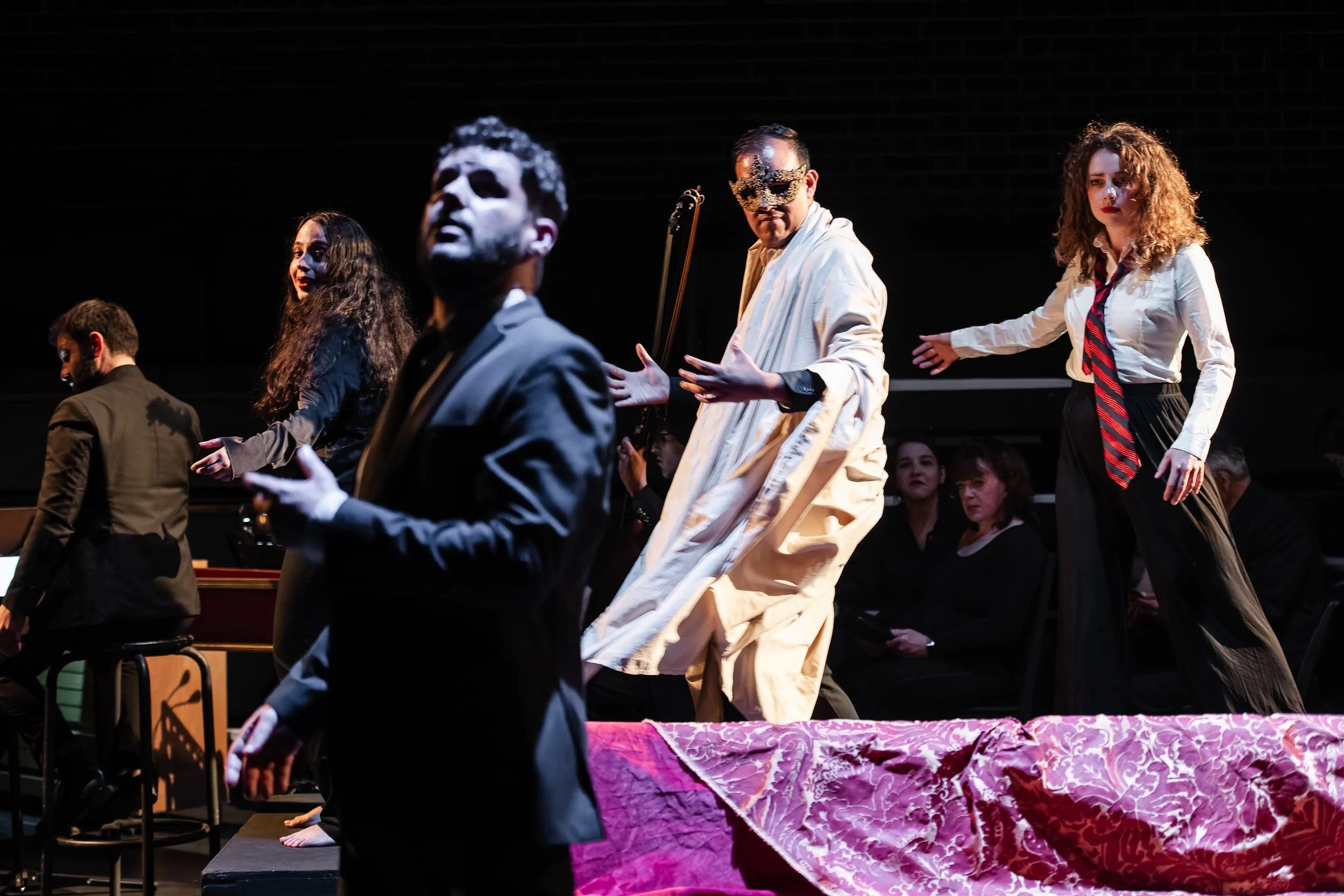
Dido & Aeneas
11, 12, 13, 14, 15 AUGUST 2026, 7PM,
ARCOLA THEATRE, LONDON - E8 3DL
Dido & Aeneas
PURCELL
11, 12, 13, 14, 15 August 7pm
Arcola Theatre - Dalston
Performed in English
Ensemble OrQuesta returns to Grimeborn with a revival of one of their most beloved productions, Dido and Aeneas.
One of the oldest and most enduring in the English repertoire, Purcell’s operatic masterpiece gets a strikingly intimate, minimalist treatment in Arcola’s downstairs studio.
Five performers bring to life a story of love, betrayal and abandonment that has moved audiences for over three centuries. Based on Virgil’s Aeneid, the opera follows the story of Dido, Queen of Carthage, who falls for the Trojan hero Aeneas, knowing he is destined to leave her.
Helen May and Rosemary Carlton-Willis alternate the roles of Dido and the Sorceress – and the audience will choose who sings which role, decided on the spot before the performance begins
Dido & Aeneas
Henry Purcell (1659–1695)
Dido and Aeneas is one of the great masterpieces of English Baroque music and Purcell’s only true opera. Written to a libretto by Nahum Tate, it draws its story from Virgil’s Aeneid, recounting the tragic love between Dido, Queen of Carthage, and the Trojan hero Aeneas.
The precise circumstances surrounding the opera’s composition remain uncertain. It is traditionally associated with a performance at Josias Priest’s school for young women in Chelsea in 1689, although it may have been composed and performed earlier. Despite its modest scale and relatively short duration, Purcell created a work of remarkable dramatic intensity, moving effortlessly between intimate expressions of love and grief, supernatural menace, dance and chorus.
The story finds Dido reluctant to admit her love for Aeneas, despite the encouragement of her confidante Belinda. Their happiness is short-lived. A Sorceress and her followers plot Dido’s destruction, sending a spirit disguised as Mercury to convince Aeneas that the gods command him to leave Carthage and continue his journey to Italy. Aeneas prepares to depart. Although he ultimately offers to defy the gods and remain, Dido rejects him: the very fact that he was prepared to abandon her has already sealed their fate.
The opera culminates in one of Purcell’s most celebrated creations, Dido’s lament, “When I am laid in earth.” Built over a repeatedly descending bass line, the music transforms an extraordinarily simple musical idea into an expression of profound grief. Dido’s final request — that she should be remembered, but that her fate should be forgotten — is followed by the chorus “With drooping wings,” bringing this brief tragedy to a conclusion of extraordinary stillness and beauty.
Marcio da Silva Stage/Music Director
Predrag Gosta Co-Music Director/Harpsichord
Michael Fields Lute/Theorbo/Guitar
Ensemble OrQuesta Baroque
Matthew Millkey, Amber Emson Violin
Hinki Suen Viola
Santi Lowe Cello
Paul Jenkins Recorder
Helen May, Rosemary Carlton-Willis Dido/Sorceress
Marcio da Silva Aeneas
Sofia Galvão Belinda
Emma Humann 1st Witch
Priscilla Fong 2nd Witch
Cecilia Zhang 2nd Woman/Spirit
Paul Jenkins Sailor
EO Company
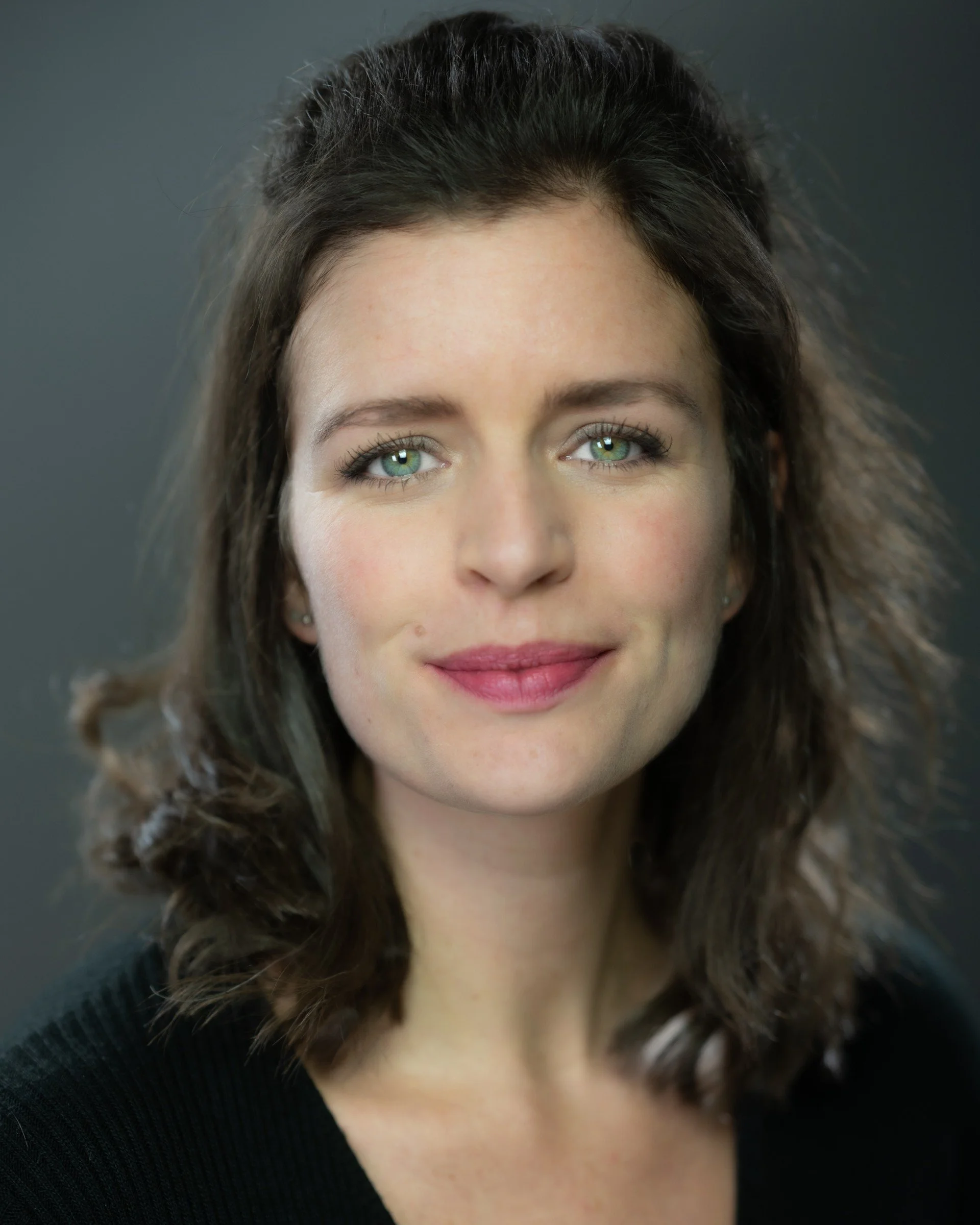
Helen May
Helen May holds an MA with Distinction from the Royal Academy of Music with a DipRAM for outstanding final recital. She was immensely grateful for the support of the Josephine Baker Trust and the William Gibbs Trust. Praised for her ‘vivid, velvety-rich’ voice and for displaying ‘the flexibility of tone and dramatic power that holds an audience rapt,’ Helen’s opera credits include: Poppea In EO’s OFFIE nominated production of Monteverdi’s L’Incoronazione di Poppea; Mozart’s Countess (Le Nozze di Figaro); Despina (Cosi fan tutte); Pamina (Die Zauberflöte); and First Lady (The Magic Flute); Alcina (Alcina, Handel); Galatea (Acis and Galatea, Handel); Nerone (L'incoronazione di Poppea); Climene, (L’Egisto, Cavalli); Amastre (Xerse, Cavalli); OFFIE nomination Calisto (La Calisto, Cavalli); Diane (Hippolyte et Aricie, Rameau); Emilie (Les Indes Galantes, Rameau); Aurore, (Cephale et Procris); Giannetta (L’elisir d’amore, Donizetti); Mimi (La bohème), and cover Jenůfa (Jenůfa, Janáček). 2024 roles include Adina (L’elisir d’amore, Opera South East), Susanna (Le nozze di Figaro, Cockpit Theatre). Helen is an experienced oratorio soloist and recitalist. Recent highlights include Verdi Requiem, Mendelssohn’s Elijah, Beethoven Missa Solemnis, Brahms Eine Deutsches Requiem, Haydn The Creation, Mozart Requiem and Bach St Matthew Passion.
Dido / Sorceress
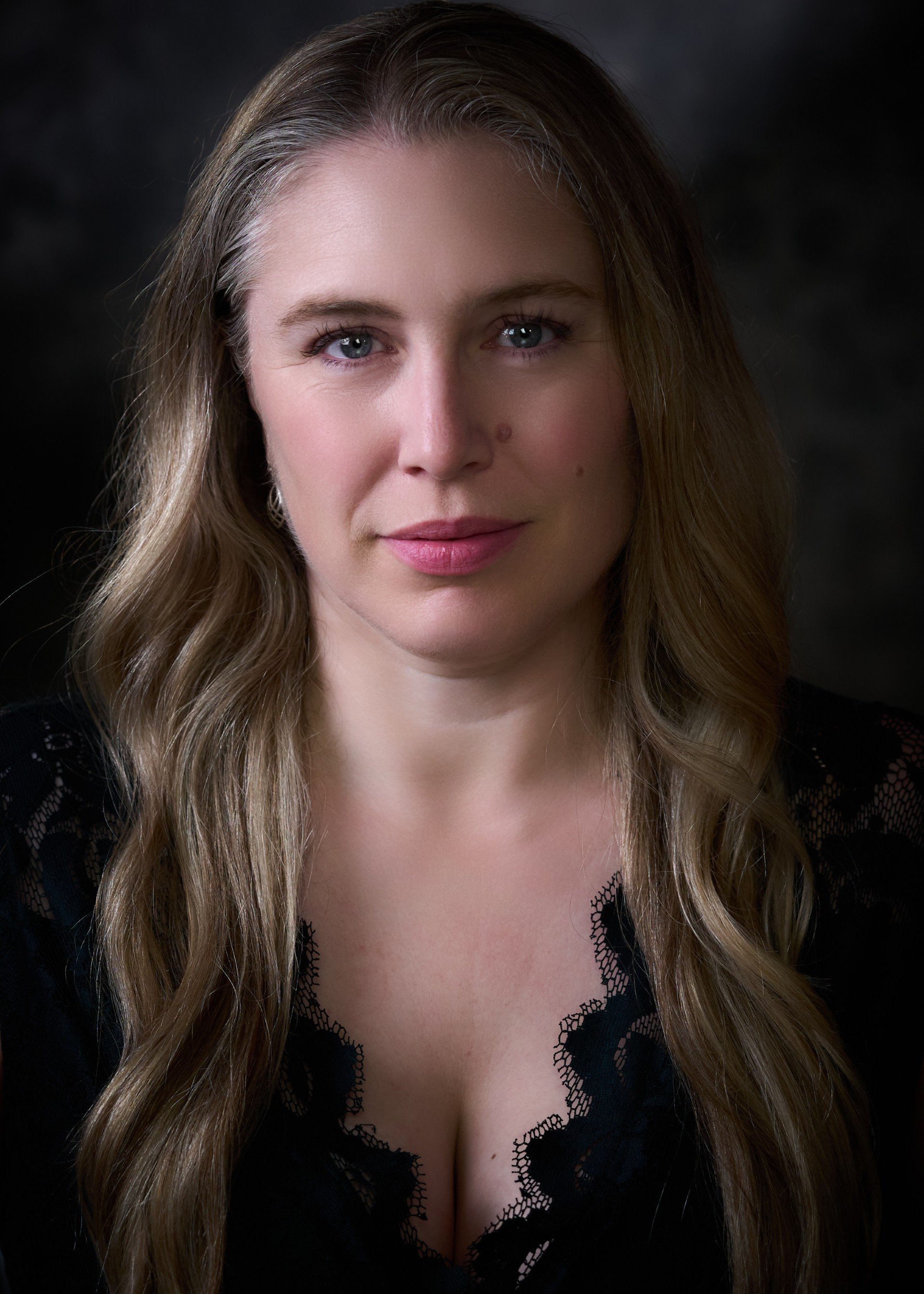
Rosemary Carlton-Willis
Dido / Sorceress
Rosemary Carlton-Willis is a British soprano, voice actor, director and editor, specialised in baroque opera. As a member of Ensemble OrQuesta she has performed the roles of Penelope (Il Ritorno d;Ulisse in Patria), Fiordiligi (Cosi fan Tutte), Donna Anna (Don Giovanni), Marcellina (Le nozze di Figaro), Alcina (Alcina), Giunone/Il Destino (La Calisto) and Armide (Armide). Since 2025 Rosemary has assisted as company coach for EOrQ’s baroque opera academies (Teseo; Rinaldo). She is a returning guest director and producer with Nymphes et Monstres. Personal highlights include directing Into Darkness, Into Light, a multidisciplinary installation commemorating pandemic victims; co-editing the book Balanced Singing by Xenia Meijer; recording the first complete recording of Ivan Lukačić’s Sacrae Cantiones, with Musica Adriatica; and attaining the Richard Strauss Prize at the Elbe Internationaler Gesangswettbewerb. Other operatic roles include Donna Elvira (Don Giovanni), Phedre (Hippolyte et Aricie), Papagena (Der Zauberflöte), Micaëla (Carmen), Lauretta (Gianni Schicchi), Sophie (Werther), and Barbarina (Le nozze di Figaro). Her next project is producing new musical Nun the Wiser for Cauldron Performing Arts.
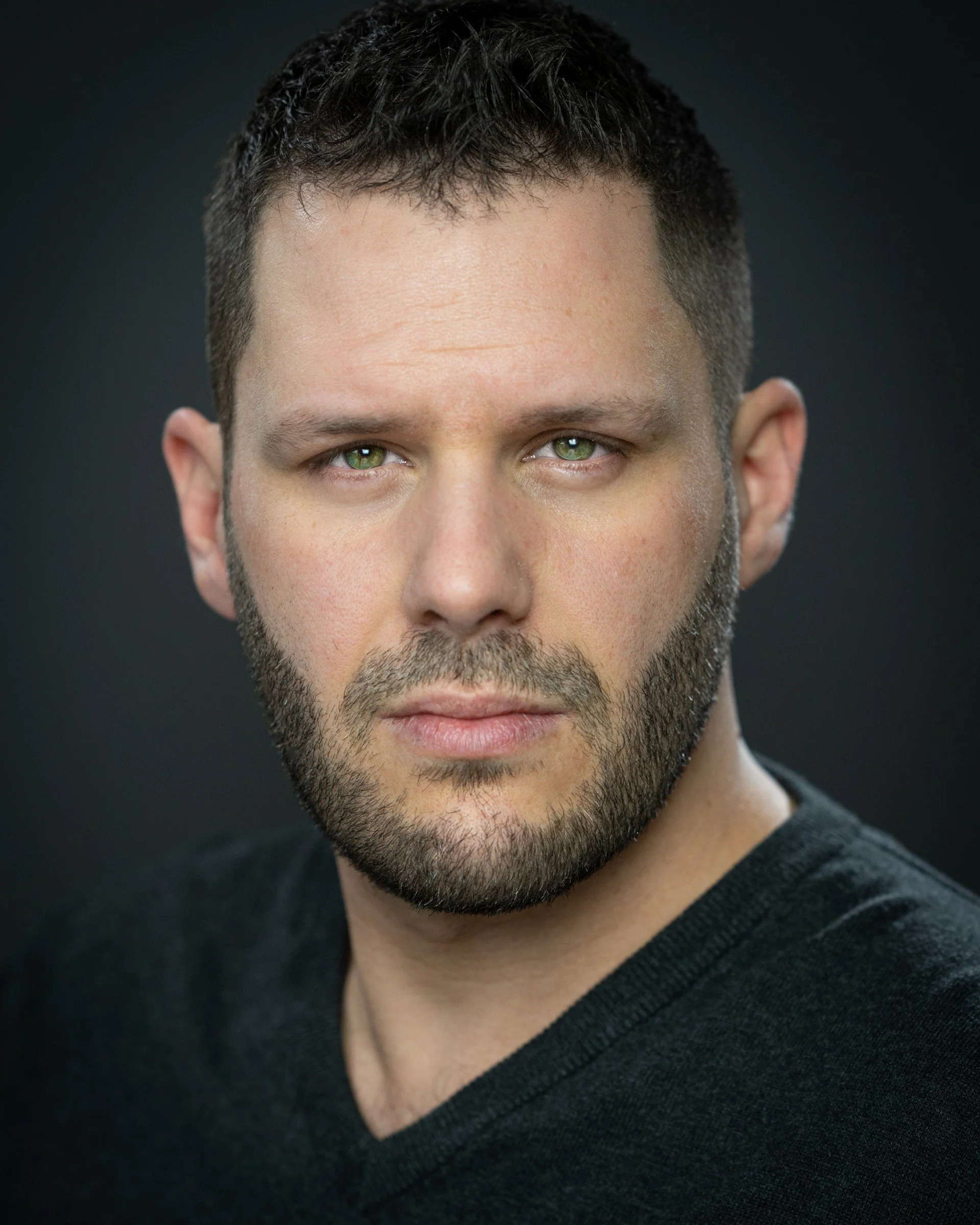
Marcio da Silva
Born in Brazil, Marcio da Silva studied singing, and choral and orchestral conducting at the Conservatoire de Toulouse, France. He received his Bachelor of Music degree in orchestral conducting from the Hochschule für Musik, Freiburg, Germany, before moving to London to undertake a Masters in orchestral conducting at the Royal College of Music. During this time, he was one of three conductors to take part in the London Symphony Orchestra Conducting Master Class with Sir Colin Davis and was one of the three finalists at the Princess Astrid International Conducting Competition. As a guest conductor Marcio has conducted orchestras in Poland, Italy, Czech Republic, Germany, Turkey, Norway, Brazil and Kosovo. Marcio was Music Director of Woodhouse Opera from 2012 until its final season in 2018, and he is the founder of Ensemble OrQuesta. In these roles he has conducted and directed over 30 fully staged productions of operas ranging from less regularly performed works such as Lully's Armide, to popular works such as Carmen, The Magic Flute and La bohème. In 2021 he stage and music directed Cavalli’s L’Egisto for Hampstead Garden Opera. Marcio is also music director of the Hastings Philharmonic Choir, HPO Singers, and the Billingshurst Choral Society and he is Artistic Director of Hastings Philharmonic Orchestra.
Aeneas
Guest Singers
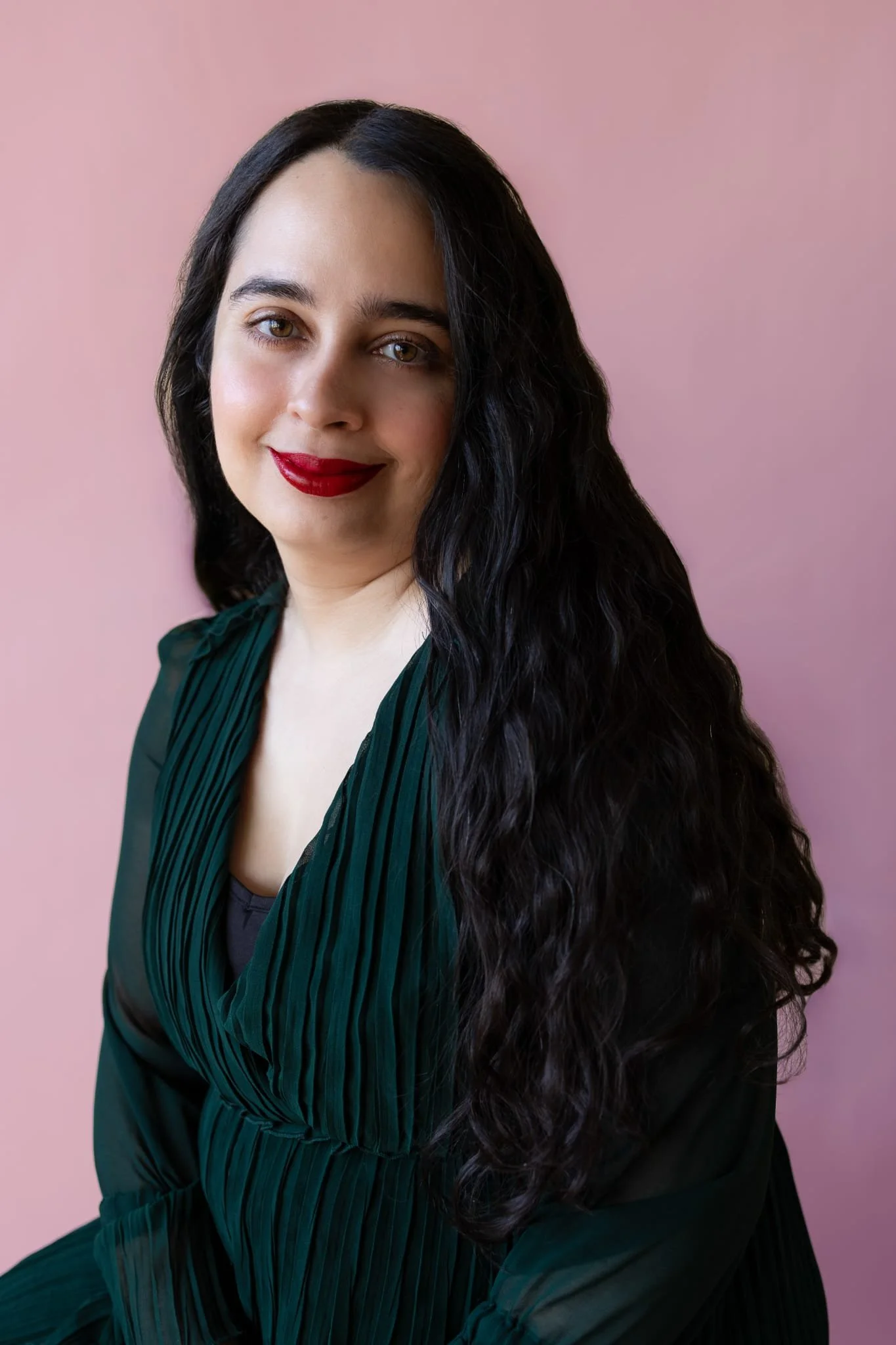
Sofia Galvão
Portuguese soprano Sofia Galvão, born in Lisbon, specialises in Baroque repertoire. She holds a Master’s degree in Baroque Singing from the Conservatorio Guido Cantelli in Novara, where she studied with Roberto Balconi and Antonio Abete. Her operatic repertoire includes Purcell’s Dido and Aeneas, Handel’s Alcina and Acis and Galatea, Cavalli’s La Calisto, Vivaldi’s La Griselda, and Mozart’s Die Zauberflöte and Le Nozze di Figaro. Her sacred repertoire includes works by Bach, Telemann and Schütz. Sofia returns to Dido and Aeneas as Belinda, having previously performed the roles of Second Woman and Second Witch.
Belinda
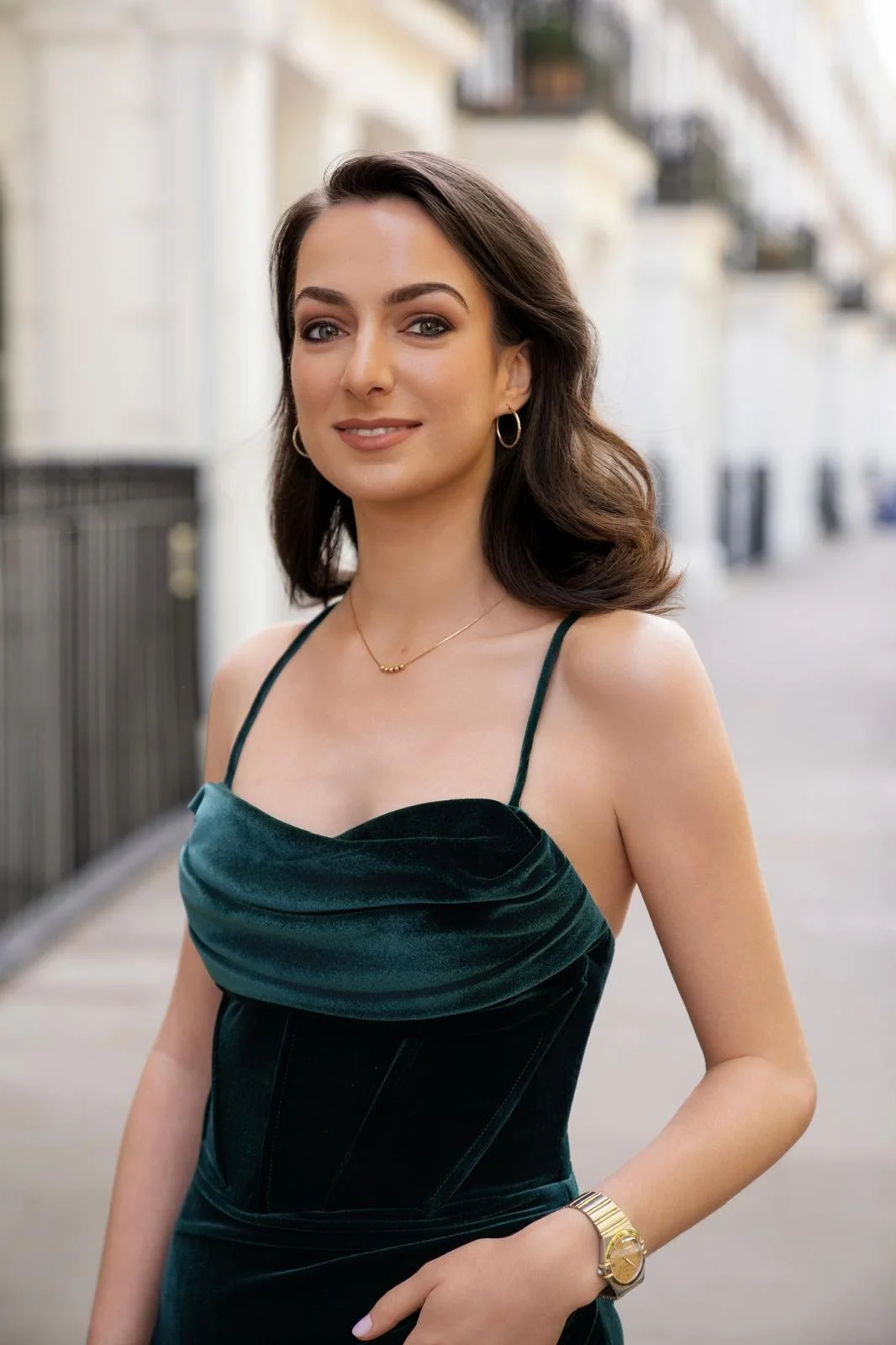
Emma Humann
Emma Humann is an American soprano who recently performed with Dolce Suono Ensemble as a Wally Loeb Young Artist. Last year, Emma was a semi-finalist in the Hurn Court Opera Singer of the Year Competition, covered the role of Clorinda in Hurn Court Opera’s production of La Cenerentola, and played the role of Tormentilla in The New London Opera Group’s production of The Poisoned Kiss. Other roles include Pamina in Keystone Opera’s production of The Magic Flute, Fanchette in Le Mariage aux Lanternes, and Gretel in Hänsel und Gretel. She earned her Masters Degree from the Royal Academy of Music and received her Bachelors Degree from Oberlin Conservatory
1st Witch
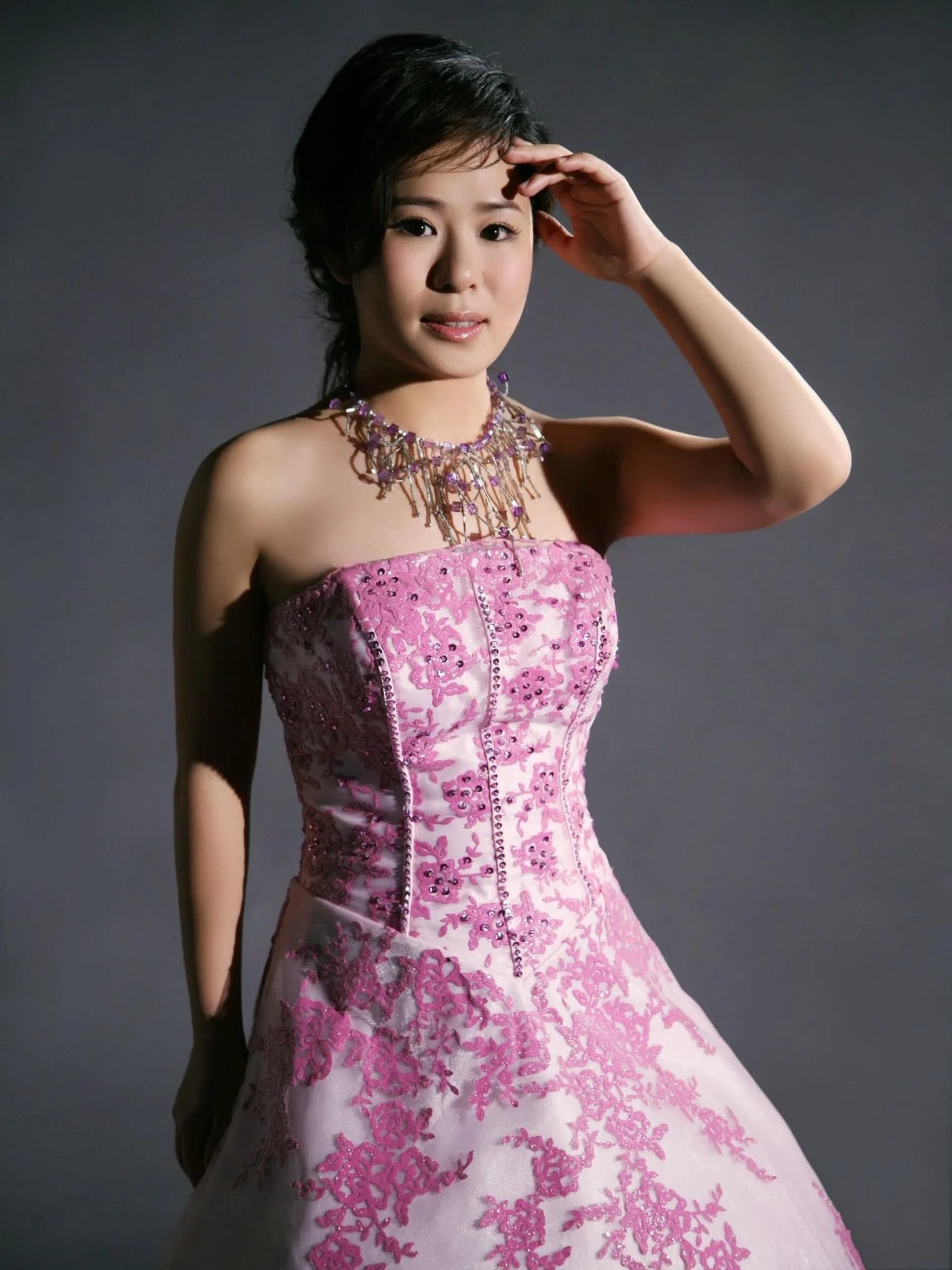
Cecilia Zhang
2nd Woman / Spirit
British-Chinese soprano Cecilia Zhang is based in Birmingham, UK. She studied at the Royal Birmingham Conservatoire and has performed a wide range of leading operatic roles, including Violetta, Norma, Cio-Cio-San, Queen of the Night, Mimi and Gilda. Recent engagements include Violetta Valéry (La Traviata) and the title role of Suor Angelica in a fully staged UK production. She is delighted to make her debut with Ensemble OrQuesta as Second Woman in Purcell’s Dido and Aeneas.
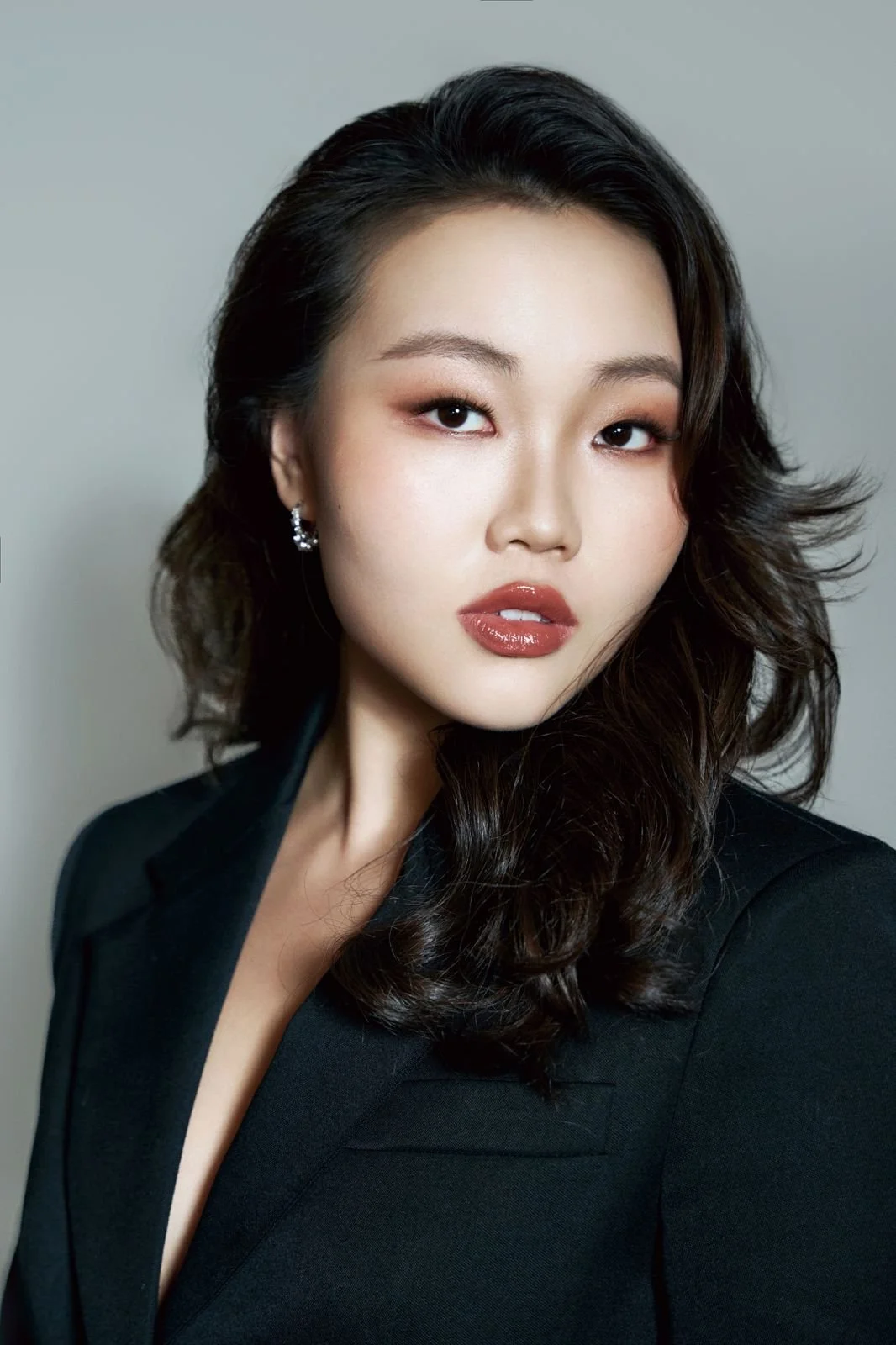
Priscilla Fong
Singaporean mezzo-soprano Priscilla Fong graduated as valedictorian from the Yong Siew Toh Conservatory of Music before completing her postgraduate studies in Voice at the Royal Northern College of Music, supported by a National Arts Council Arts Scholarship. Her operatic roles include Dorabella in Così fan tutte, Octavian in Der Rosenkavalier, Meg Page in Falstaff, the Baker’s Wife in Into the Woods, and Mercédès in Carmen. Priscilla has worked with companies including Opera North, Buxton International Festival and The Opera People, and with distinguished artists including Roger Vignoles, Anne Murray and Christopher Purves. She is particularly passionate about storytelling through music and performance.
2nd Witch
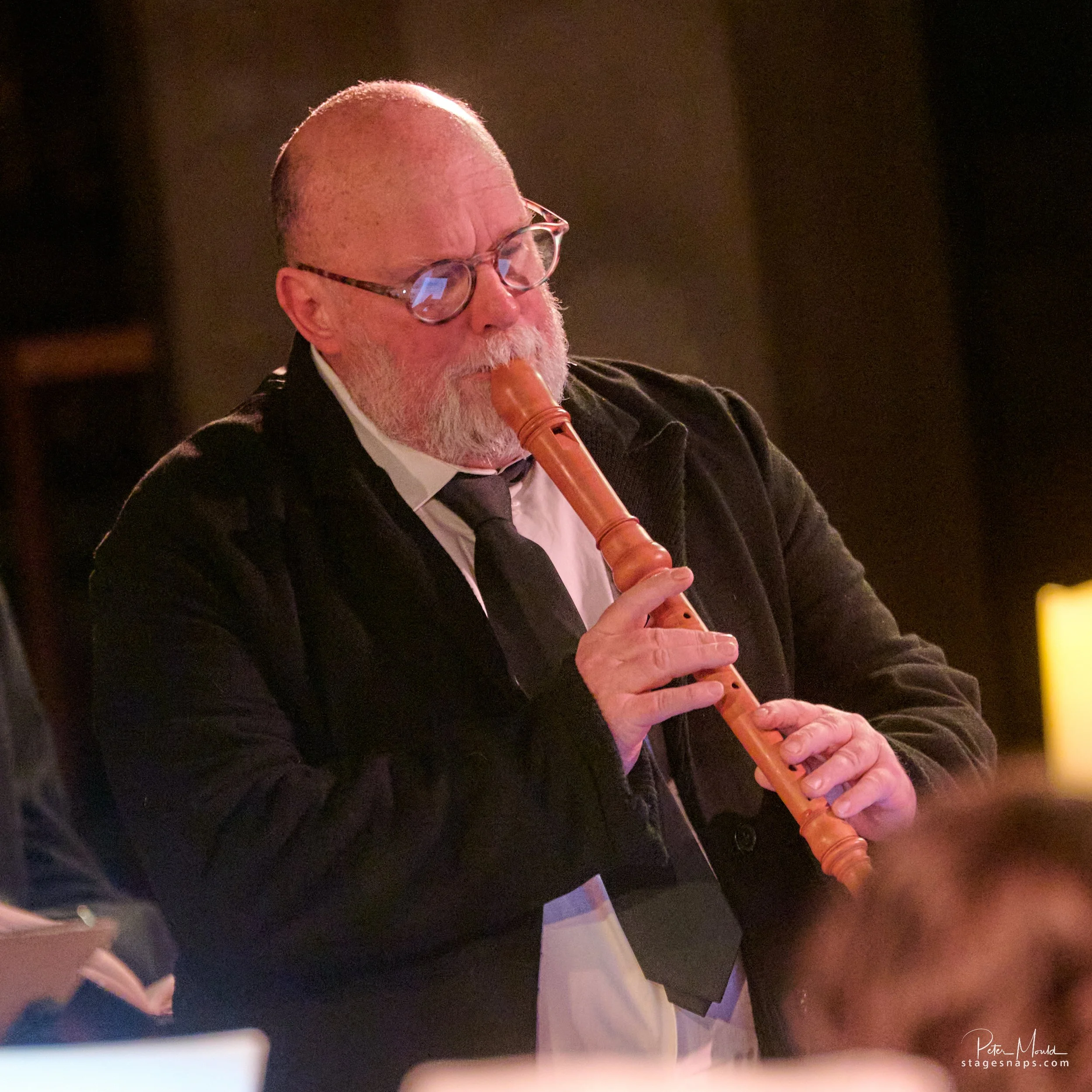
Paul Jenkins
Sailor
Paul developed a passion for singing at school in West London and studied historical performance practice at the University of York. He has sung with the Yorkshire Bach Choir, London Bach Choir and English Baroque Choir, and regularly performs with Hastings Philharmonic Choir and Hastings Philharmonic Singers. Solo roles include First Priest in Bach’s St Matthew Passion and Apollo in Monteverdi’s L’Orfeo. In June, he made his operatic stage debut as Anfinomo in Ensemble OrQuesta’s Il ritorno d’Ulisse in patria. Paul also plays the recorder and has performed in several Ensemble OrQuesta Baroque productions as an instrumentalist.